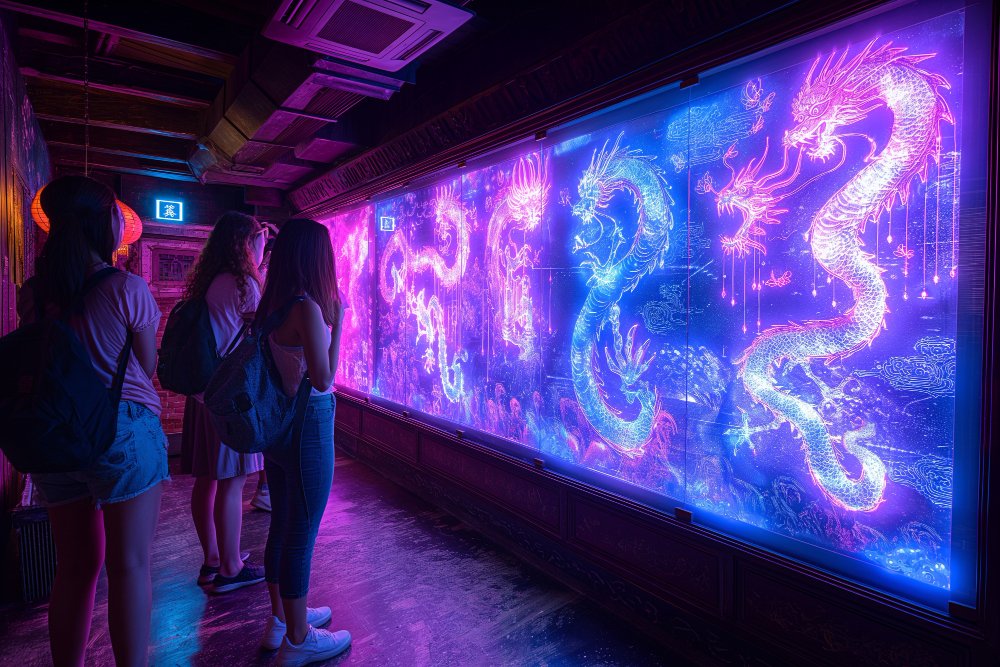
Indoor LED displays have revolutionized the way we experience visual content, bringing stunning clarity and dynamic messaging into our everyday environments. From the bright screens in a shopping mall to the high-resolution video walls in a corporate boardroom, this technology has become a staple of modern communication. This guide covers everything you need to know about indoor LED displays, from how they work to the critical factors for choosing and maintaining one.
What is an Indoor LED Screen?
An indoor LED screen is a display that uses an array of light-emitting diodes (LEDs) to produce images. Unlike outdoor displays, which need high brightness to combat direct sunlight and weatherproofing to handle the elements, indoor screens are optimized for controlled environments. They deliver high-quality visual content in settings like retail stores, conference halls, and entertainment venues, designed for closer viewing distances and often featuring a smaller pixel pitch for sharper images.
Types of Indoor LED Displays
Not all indoor LED displays are the same; they are tailored to specific needs and installation scenarios:
-
Fixed Indoor LED Screens: Permanently mounted on walls or frames, these are ideal for locations where the display remains in a specific position, such as control rooms, hotel lobbies, and meeting areas. They offer a clean finish and often feature easy front-service access.
-
Rental Indoor LED Screens: Built for temporary installations like concerts, trade shows, and live events, these modular panels lock together for quick assembly and easy disassembly. They are lightweight, portable, and designed for versatile setups.
-
Transparent Indoor LED Screens: These innovative displays allow light to pass through the viewing surface, making them perfect for retail storefronts and glass installations. They deliver digital content while preserving natural light and sightlines.
-
Flexible or Curved Indoor LED Screens: Capable of bending to fit around columns or forming creative shapes, these screens are popular in museums, experience centers, and high-end retailers. They create immersive designs without seams or hard edges.
-
All-in-One LED Displays: These integrated solutions combine the screen, controller, and audio system into a single, easy-to-install unit, often used in conference rooms and classrooms.
Pixel Pitch: The Most Important Specification
When selecting an indoor LED display, the most critical specification to understand is pixel pitch. This refers to the distance in millimeters between the centers of two adjacent pixels (e.g., P1.2 means a 1.2mm gap). A smaller pixel pitch results in higher pixel density and a much sharper image, which is essential for close-up viewing.
A common rule of thumb is that for every millimeter of pixel pitch, the optimal viewing distance is roughly one meter (or three feet). For instance:
-
A P1.2mm display is best viewed from about 1.2 meters away.
-
A P2.5mm display is best viewed from about 2.5 meters away.
This means that for a small conference room where people will be close to the screen, a fine-pitch display (P1.2 to P2.0) is necessary to avoid seeing individual pixels. For larger spaces like auditoriums, a slightly larger pitch (P2.5 to P3.0) can be more cost-effective while still providing an excellent image from a distance.
Core LED Technologies: SMD vs. COB vs. MicroLED
The performance and durability of an LED display are heavily influenced by how its diodes are packaged:
-
SMD (Surface-Mounted Device): This is the most common and affordable technology. Individual LED chips are packaged and mounted on a circuit board. It’s a reliable workhorse ideal for general indoor use but can be less durable and smooth-looking up close.
-
COB (Chip-on-Board): Here, multiple LED chips are bonded directly to the board and covered with a protective resin. This creates a seamless, smooth surface with higher contrast and is about 2.5 times more impact-resistant than SMD. COB is ideal for high-end, mission-critical spaces like boardrooms and broadcast studios.
-
MicroLED: The pinnacle of display technology, using microscopic LEDs to deliver unmatched contrast, efficiency, and pixel-level precision. While offering the best performance, it comes with a premium price, making it suitable for luxury retail and executive theaters.
Applications and Key Benefits
Indoor LED displays are transforming a wide range of environments:
-
Corporate: High-resolution video walls create impressive, engaging presentations in boardrooms and lobbies. Interactive LED touchscreens can streamline information exchange in corporate settings.
-
Control Rooms: The seamless, reliable nature of dvLED displays is perfect for 24/7 operations. Series like the INFiLED WV are designed for continuous uptime with quiet, silent operation and easy maintenance.
-
Retail: Transparent LED screens on storefronts and interactive displays inside create immersive brand experiences and dynamic advertising that captures attention.
-
Broadcast & Entertainment: Fine-pitch LED walls provide seamless, high-definition backdrops for TV studios and immersive experiences at live events and concerts.
The key benefits of indoor LED displays include superior brightness (typically 800–1500 nits for indoor use) ensuring clear visibility even in well-lit rooms, wide viewing angles of 160 degrees or more, and excellent energy efficiency with lifespans of 50,000 to 100,000 hours.
Installation, Maintenance, and Total Cost of Ownership
Installing an indoor LED display is a significant project. Costs vary widely based on size, pixel pitch, and technology. A small 1-3 m² display might cost $800–$4,000, while a medium 5-20 m² video wall can range from $5,000 to $40,000. On top of the panels, you must budget for video processors ($2,000–$5,000 for basic units), mounting structures ($500–$2,000), installation labor, and cabling.
Maintenance involves regular cleaning with a soft cloth and routine inspections to check for dead pixels or color inconsistencies. Annual maintenance costs can range from $1,000 to $5,000. However, when well-maintained, an indoor LED display offers an excellent return on investment through its longevity and energy efficiency.
Energy Efficiency and Lifespan
Modern indoor LED displays are highly energy-efficient, especially compared to outdoor models. In 2025, indoor screens can save up to 62% on electricity and 58% on maintenance costs compared to outdoor screens. Technologies like ColdLED reduce power consumption by 30-50% by converting more electricity into light and less into heat, which also extends the display’s lifespan.
High-quality displays typically last 50,000 to 100,000 hours, which translates to over a decade of normal use.
5 FAQs About Indoor LED Displays
1. How do I choose the right pixel pitch for my room?
Pixel pitch determines the optimal viewing distance. As a general rule, the minimum viewing distance in meters equals the pixel pitch in mm. For a P1.5 screen, viewers should be at least 1.5 meters away. Choose a smaller pitch for close viewing and a larger pitch for distant audiences.
2. What is the difference between SMD and COB technology?
SMD is the standard, affordable technology for general indoor use. COB bonds chips directly to the board, creating a seamless, durable surface with higher contrast. It is about 2.5 times more impact-resistant than SMD and is ideal for high-end environments where image quality is critical.
3. How much does an indoor LED wall cost?
Costs vary dramatically. A small display (1-3 m²) ranges from $800 to $4,000. A medium wall (5-20 m²) costs $5,000 to $40,000. The final price depends heavily on pixel pitch, technology, and installation complexity.
4. How long do indoor LED displays last?
With proper maintenance, a high-quality indoor LED display can last between 50,000 and 100,000 hours. This equates to approximately 6 to 11 years of continuous use, or even longer with normal daily operation.
5. Are indoor LED screens better than projectors?
For rooms with ambient light or when you need the sharpest image quality, LED is superior. Unlike projectors, which can appear washed out in bright conditions, LEDs emit their own light, staying clear and vibrant. However, for very large, dark spaces, projectors can be a more affordable option.
Want to know about led screen display? Read: What is led screen display everything you need to know