
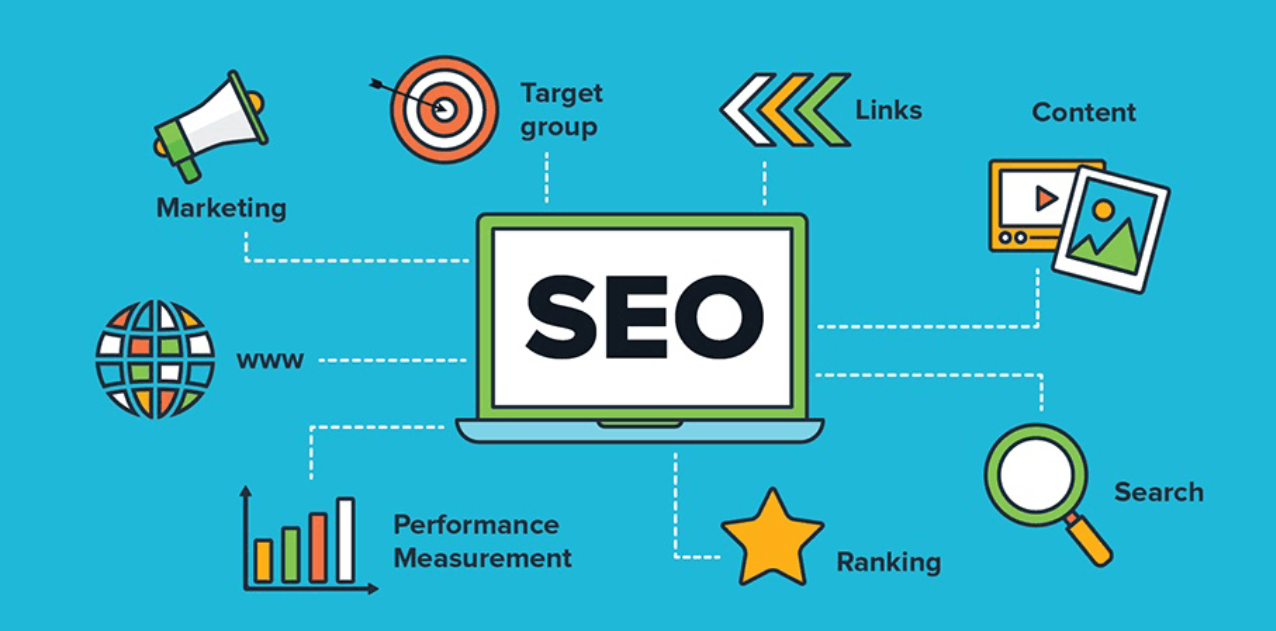
 Search engine optimization continues to evolve rapidly, and businesses can no longer rely on outdated tactics to improve their online visibility. In 2026, SEO Malaysia is increasingly influenced by artificial intelligence, generative search, user experience, local search, and high-quality content.
For Malaysian businesses, keeping up with these changes is important for attracting qualified visitors, building online authority, and generating sustainable leads. Google continues to emphasize helpful, reliable, people-first content, while its search experience increasingly incorporates generative AI features.
Here are the top SEO Malaysia trends businesses should know in 2026.
1. Generative AI Is Changing Search
One of the biggest developments in SEO is the growing role of generative AI in search.
Google has expanded AI-powered search experiences, including AI Overviews and AI Mode. In 2026, businesses need to consider not only traditional rankings but also how their content can become a useful source for AI-generated search experiences.
This does not mean traditional SEO is obsolete. Google specifically states that established SEO best practices remain foundational for appearing in its generative AI experiences.
Businesses should therefore focus on:
- Creating original and useful content
- Answering customer questions clearly
- Demonstrating genuine expertise
- Structuring information logically
- Maintaining technically accessible websites
- Adding unique insights rather than simply rewriting existing pages
2. People-First Content Matters More Than Ever
In 2026, publishing large volumes of generic articles is not an effective long-term SEO strategy.
Google’s guidance emphasizes content created primarily to help people rather than content produced mainly to manipulate search rankings. Original research, first-hand experience, expert insights, and genuinely useful information can make content more valuable to users.
For Malaysian companies, this could mean publishing content based on real customer questions, industry experience, local market knowledge, case studies, and original observations.
Instead of writing an article simply because a keyword has search volume, ask:
Does this content provide something genuinely useful that competing pages do not?
That question should guide your content strategy in 2026.
3. Local SEO Malaysia Is Becoming More Important
Local search remains essential for businesses that serve specific Malaysian cities or regions.
Businesses can improve local visibility by optimizing their website and online presence for relevant location-based searches. Depending on the business, this could include targeting searches related to Kuala Lumpur, Penang, Johor Bahru, Shah Alam, Petaling Jaya, or other service areas.
Effective local SEO can include:
- Optimizing Google Business Profile
- Maintaining consistent business information
- Creating location-specific pages
- Publishing locally relevant content
- Building legitimate local citations
- Earning relevant local backlinks
- Collecting genuine customer reviews
For service-based companies, local SEO can be particularly valuable because searchers are often looking for businesses they can contact or visit immediately.
4. Search Intent Should Drive Keyword Strategy
Keyword optimization is no longer simply about repeating an exact phrase throughout a page.
Google’s language systems can understand relationships between searches and content, so businesses should focus on search intent and topic relevance rather than keyword stuffing.
For example, someone searching for “SEO Malaysia” might be researching SEO services, comparing agencies, learning about Malaysian SEO strategies, or looking for pricing information.
A strong content strategy should address these different intents through useful pages and resources.
Common search-intent categories include:
- Informational: “What is SEO Malaysia?”
- Commercial: “Best SEO Malaysia services”
- Transactional: “Hire SEO agency Malaysia”
- Navigational: Searching for a specific SEO company
Matching content to the searcher’s actual goal can improve both user satisfaction and organic performance.
5. E-E-A-T and First-Hand Experience Are Critical
Google’s guidance continues to emphasize experience, expertise, authoritativeness, and trustworthiness—commonly referred to as E-E-A-T. Clear authorship, relevant expertise, reliable information, and first-hand experience can help demonstrate credibility.
For Malaysian businesses, this means avoiding generic content that could have been written by anyone.
Instead, consider including:
- Expert commentary
- Original case studies
- Customer experiences
- Real examples
- Author information
- Industry data
- Practical recommendations
- First-hand business insights
For example, an SEO company could make an article stronger by explaining how it approaches keyword research for Malaysian businesses rather than simply defining keyword research.
6. AI-Assisted Content Needs Human Expertise
AI tools can make content production faster, but using AI to mass-produce low-value pages can create SEO problems.
Google’s guidance makes an important distinction: AI itself is not automatically against its guidelines. The problem arises when automation is used primarily to manipulate search rankings or generate large amounts of content without meaningful value.
Businesses can use AI responsibly for tasks such as:
- Brainstorming topics
- Organizing outlines
- Research assistance
- Content editing
- Identifying content gaps
- Generating initial ideas
However, human review should add accuracy, experience, originality, and useful context.
The goal should not be more AI content.
The goal should be better content supported by AI where appropriate.
7. Technical SEO Remains a Foundation
While AI and content trends receive considerable attention, technical SEO remains fundamental.
Search engines need to be able to discover, crawl, understand, and index your pages. Businesses should therefore regularly monitor technical elements such as:
- Website crawlability
- Indexation
- Internal linking
- XML sitemaps
- Canonical URLs
- Mobile usability
- Page speed
- HTTPS
- Structured data
- Broken links
- Duplicate content
Google’s SEO guidance emphasizes that technical accessibility remains important because search engines need to access and understand your content before they can consider it for search visibility.
8. User Experience and Page Experience Still Matter
A website can have excellent content but still provide a poor experience.
Slow-loading pages, confusing navigation, intrusive elements, difficult-to-read text, or poor mobile usability can negatively affect how visitors interact with a site.
Businesses investing in SEO Malaysia should therefore consider SEO and user experience together.
A strong website should be:
- Fast
- Mobile-friendly
- Easy to navigate
- Secure
- Accessible
- Clearly structured
- Simple to use
The objective is not merely to bring visitors to a page. It is to help them find the information they need and take the next appropriate action.
9. Video, Images, and Other Media Can Strengthen Search Visibility
Search is no longer limited to traditional text results.
Google’s 2026 generative AI optimization guidance specifically highlights the value of relevant local, shopping, image, and video content.
Malaysian businesses can therefore expand their SEO strategies beyond blog posts.
Depending on the industry, useful formats may include:
- Product demonstrations
- Short educational videos
- Tutorials
- Infographics
- Original photography
- Explainer videos
- Customer testimonials
- Location photographs
Multimedia can also improve the usefulness and engagement of a page when it genuinely supports the main topic.
10. Topical Authority Is More Valuable Than Random Keywords
A common SEO mistake is publishing unrelated articles simply because individual keywords appear attractive.
A stronger approach is to build topical authority around subjects that are directly relevant to your business.
For example, a Malaysian digital marketing company could create a comprehensive content cluster covering:
- SEO Malaysia
- Local SEO
- Technical SEO
- Keyword research
- Content marketing
- E-commerce SEO
- SEO analytics
- Link building
- Google Business Profile optimization
These resources can be connected through strategic internal linking, making the website easier for users and search engines to navigate.
11. SEO Measurement Is Becoming More Sophisticated
Businesses should look beyond rankings alone when evaluating SEO performance.
Important metrics can include:
- Organic clicks
- Organic impressions
- Click-through rate
- Conversions
- Qualified leads
- Revenue from organic traffic
- Engagement
- Landing-page performance
- Local visibility
Google announced new Search Console reports in June 2026 that provide dedicated visibility data for generative AI features, including AI Overviews and AI Mode, although the reports are initially being rolled out to a subset of websites.
This development reinforces an important point: SEO measurement is expanding beyond traditional blue-link rankings.
12. SEO Strategies Need to Adapt to Algorithm Updates
Google regularly makes broad changes to its search systems through core updates. These updates can lead to fluctuations in organic visibility, so businesses should avoid relying on one tactic or short-term ranking trick.
For example, Google’s February 2026 Discover core update emphasized more locally relevant, original, timely, and in-depth content while reducing sensational and clickbait-style content in Discover.
The best response to algorithm changes is usually not panic.
Instead:
- Monitor organic performance.
- Identify pages experiencing significant changes.
- Review content quality.
- Compare your content with search competitors.
- Improve pages that provide limited value.
- Continue following Google’s current guidance.
How Businesses Can Prepare for SEO Malaysia in 2026
Businesses that want to remain competitive should build an SEO strategy around long-term value rather than shortcuts.
A practical approach includes:
Step 1: Audit Your Existing Website
Review technical SEO, content quality, indexing, internal links, mobile experience, and organic performance.
Step 2: Understand Your Malaysian Audience
Identify the questions, problems, locations, products, and services that matter most to your target customers.
Step 3: Build a Search-Intent-Based Content Strategy
Create content that directly addresses informational, commercial, and transactional needs.
Step 4: Strengthen Your Local Presence
If you serve Malaysian customers locally, optimize your business information and create genuinely useful location-specific content.
Step 5: Add Original Expertise
Use case studies, first-hand experiences, expert insights, original research, and real examples to differentiate your content.
Step 6: Use AI Carefully
AI can support research and production workflows, but human expertise and quality control should remain central.
Step 7: Track Business Outcomes
Measure leads, conversions, revenue, and qualified organic traffic—not rankings alone.
Final Thoughts
The SEO landscape in Malaysia is changing alongside the wider evolution of Google Search. In 2026, businesses need to think beyond traditional keyword rankings and focus on helpful content, search intent, local relevance, technical SEO, user experience, first-hand expertise, and visibility across AI-powered search experiences.
The biggest opportunity is not to chase every new SEO trend. It is to build a website that consistently provides unique, trustworthy, and useful information to its target audience.
For businesses investing in SEO Malaysia, that people-first foundation can provide a stronger basis for sustainable organic growth as search continues to evolve.

